


Isom Clemon’s lifelong commitment to the power of the Vote, and to people of this community serve as an inspiration for restoration, reclamation, and revitalization of this historic American landscape.
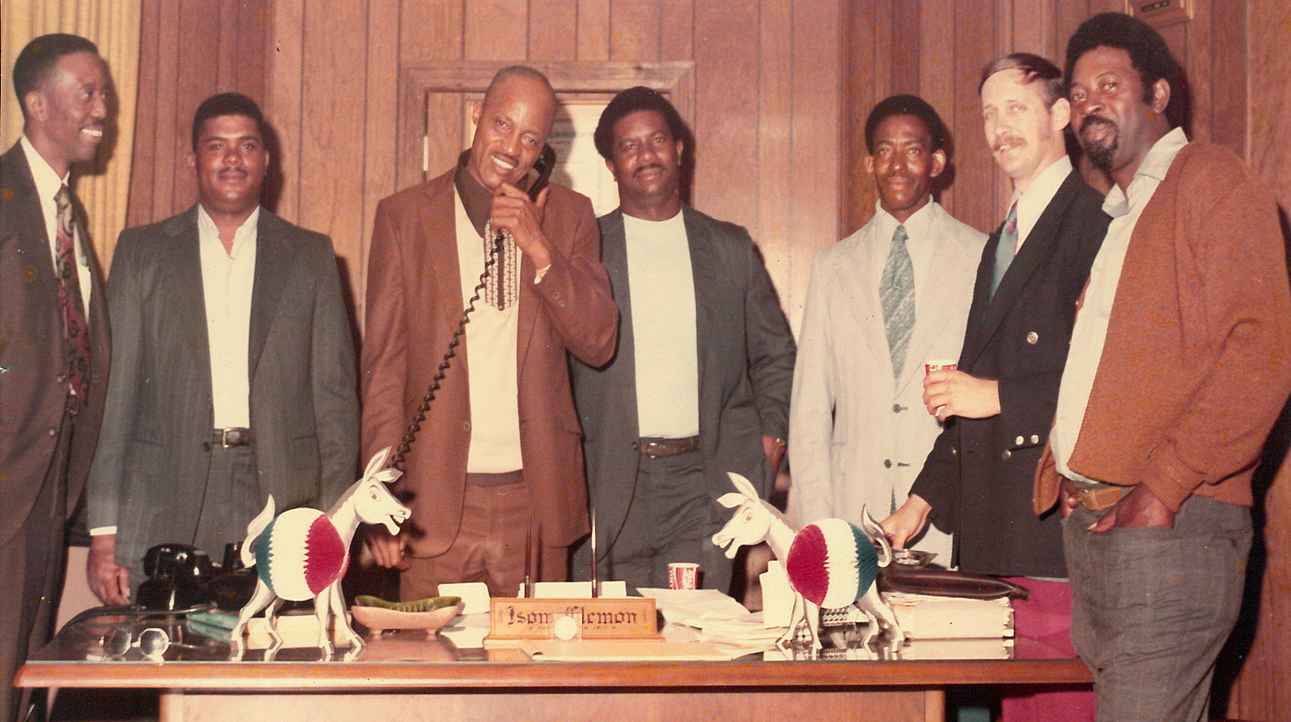
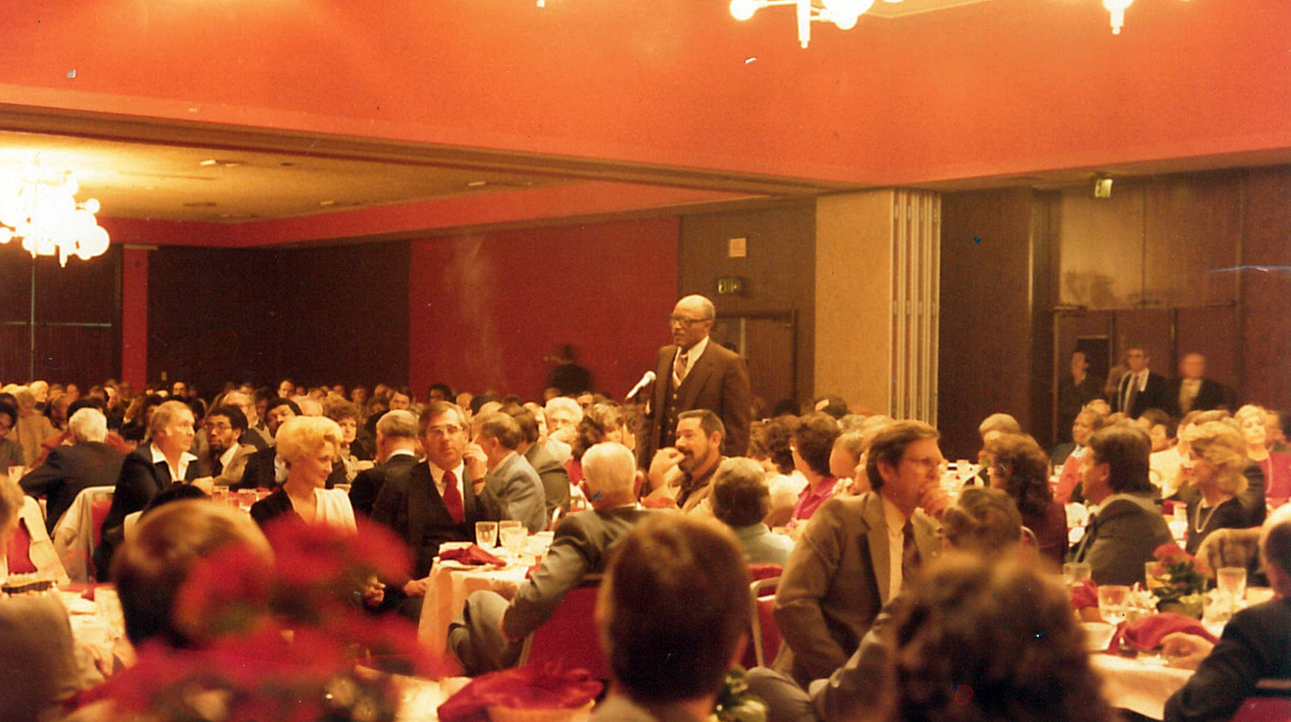
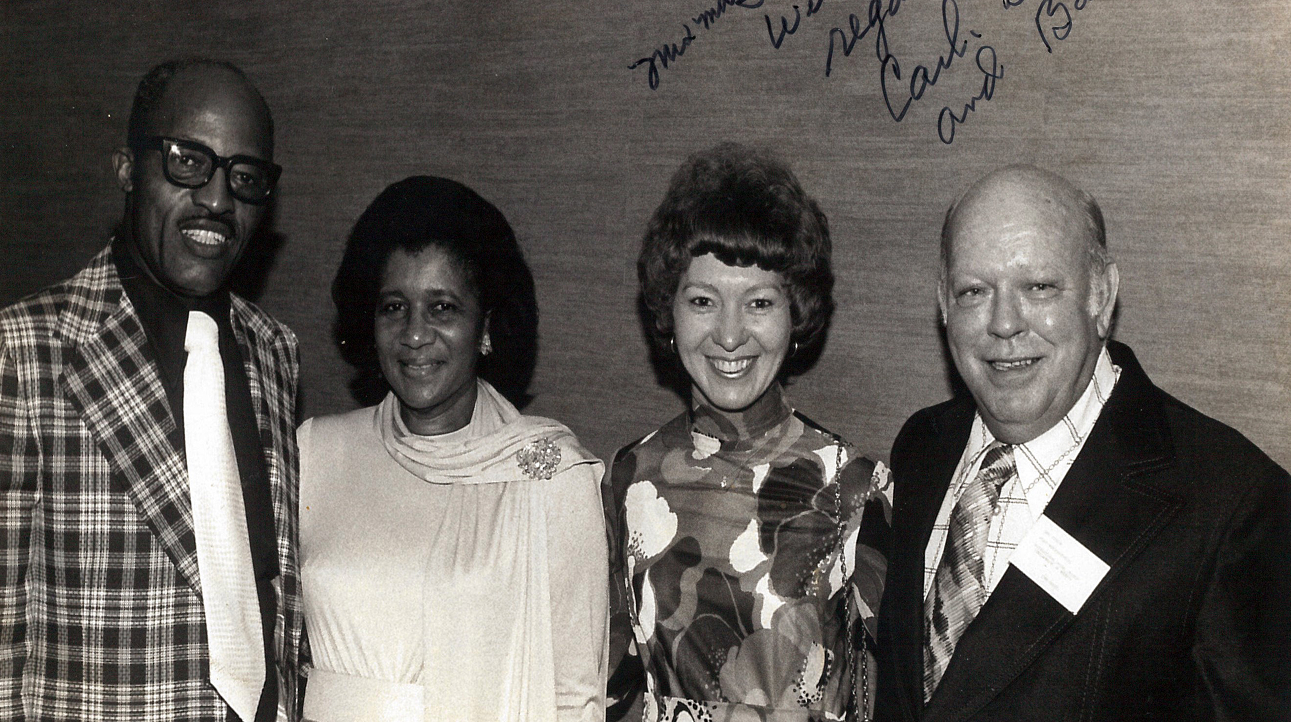
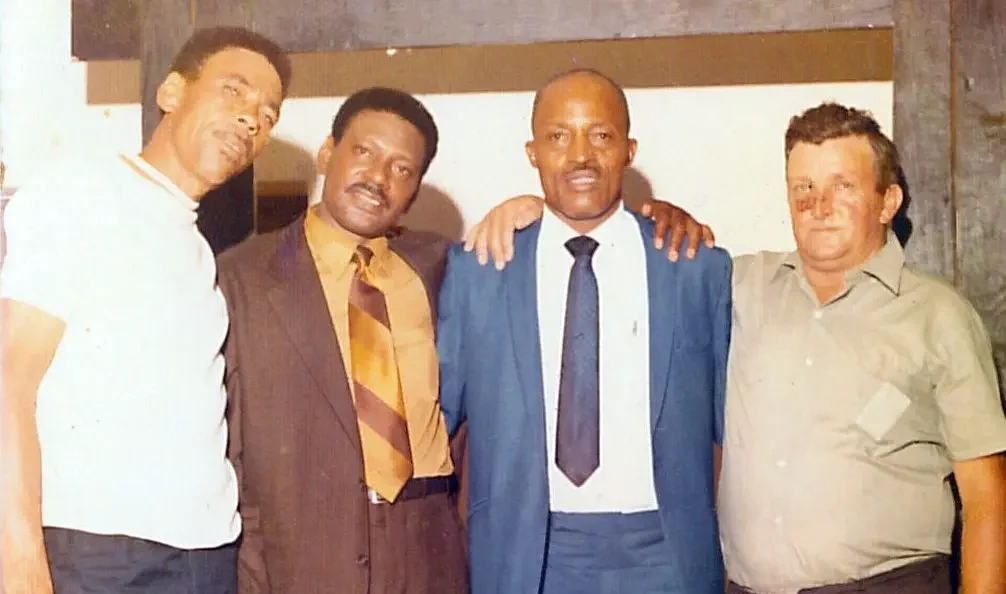
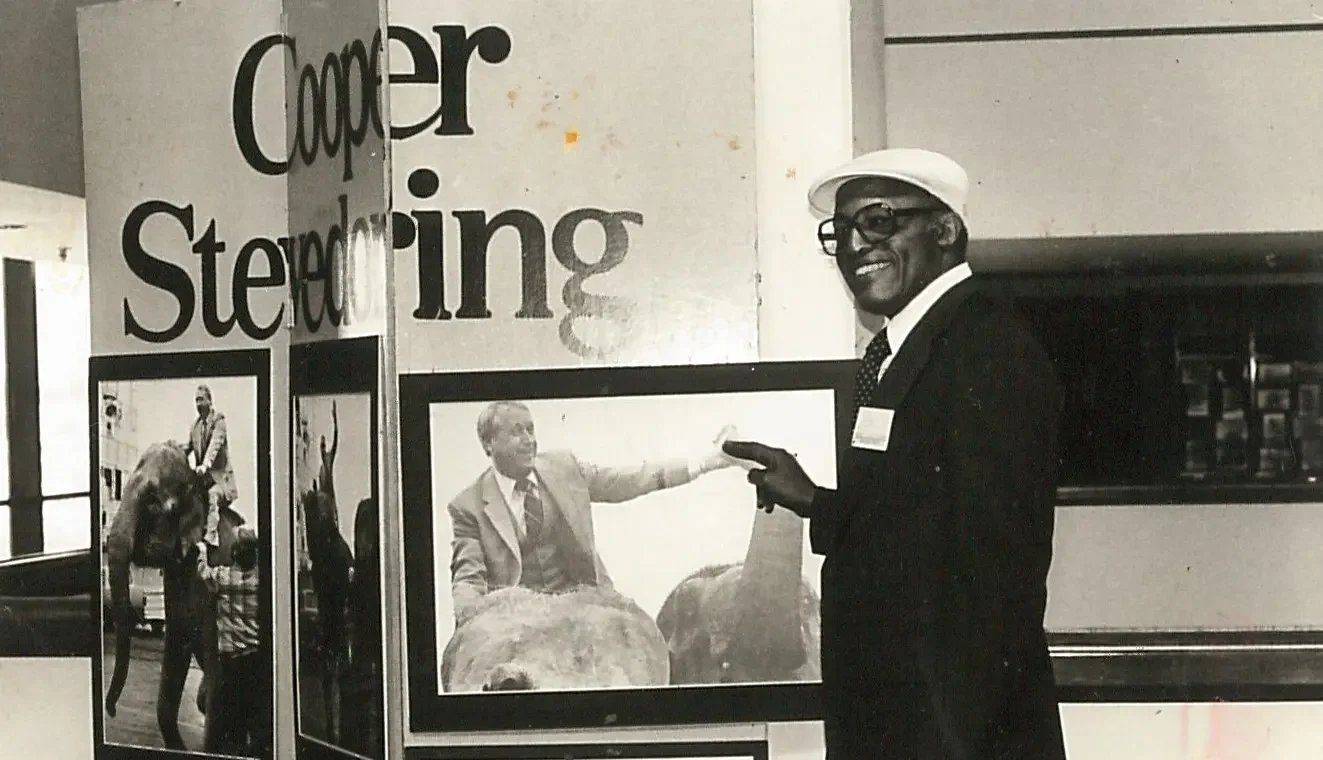
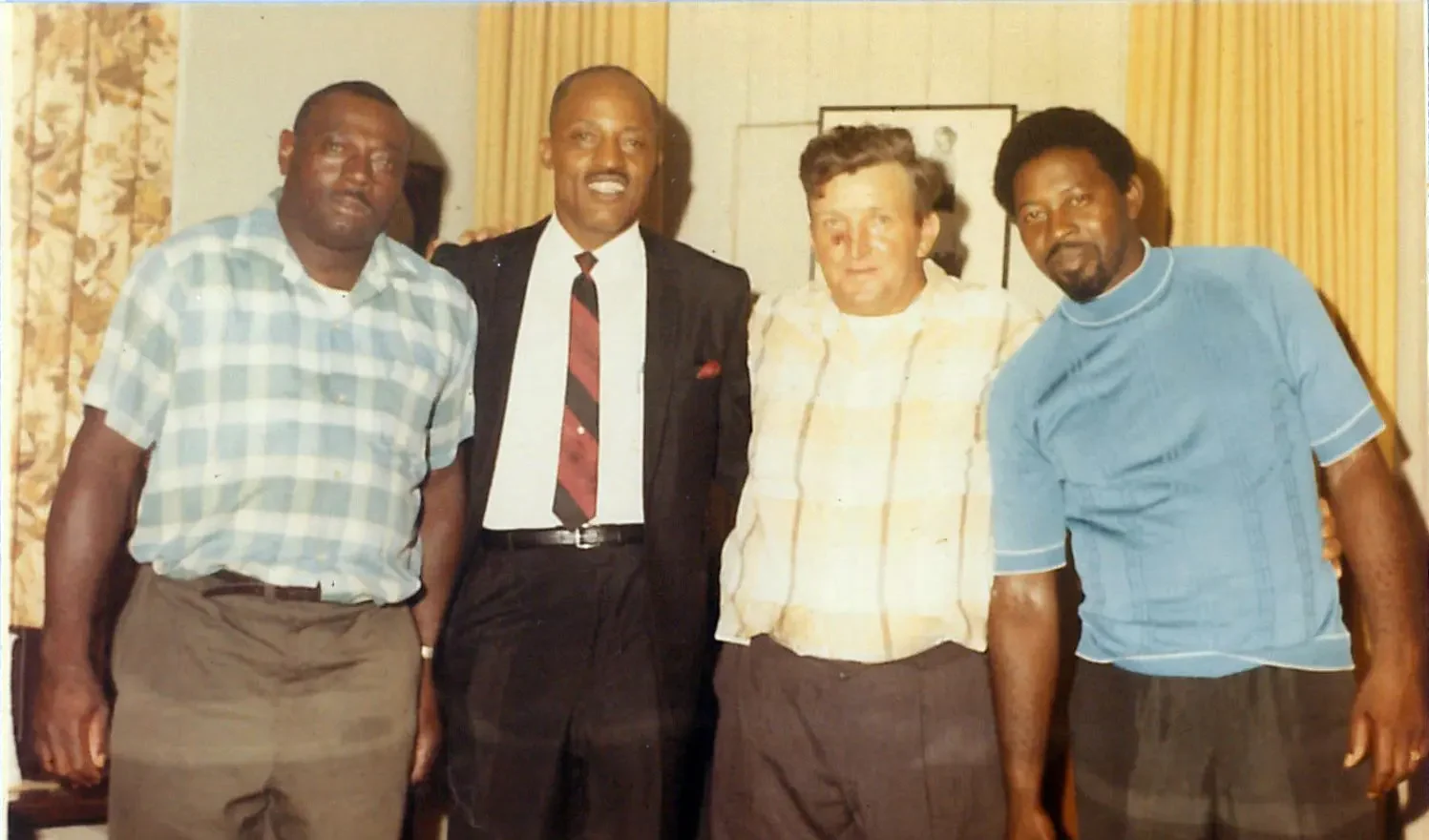
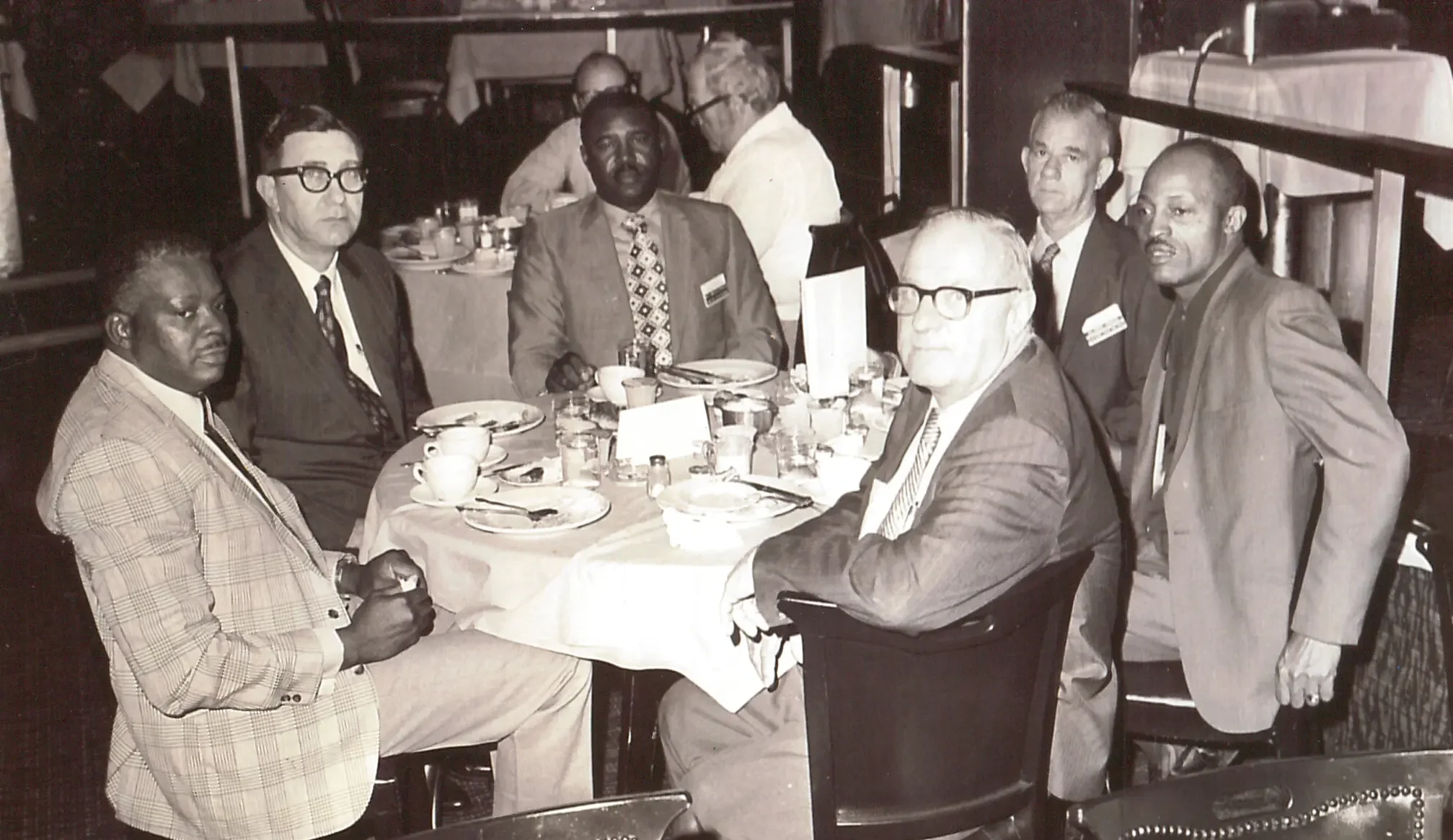
Isom Clemon’s lifetime of work within the ILA Local 1410 reminds us of the power of organized labor. Mr. Clemon dedicated his life’s work to negotiating for African Americans’ civil rights in Mobile. He is responsible for getting the first African American seat at the National Democratic Party in 1978.
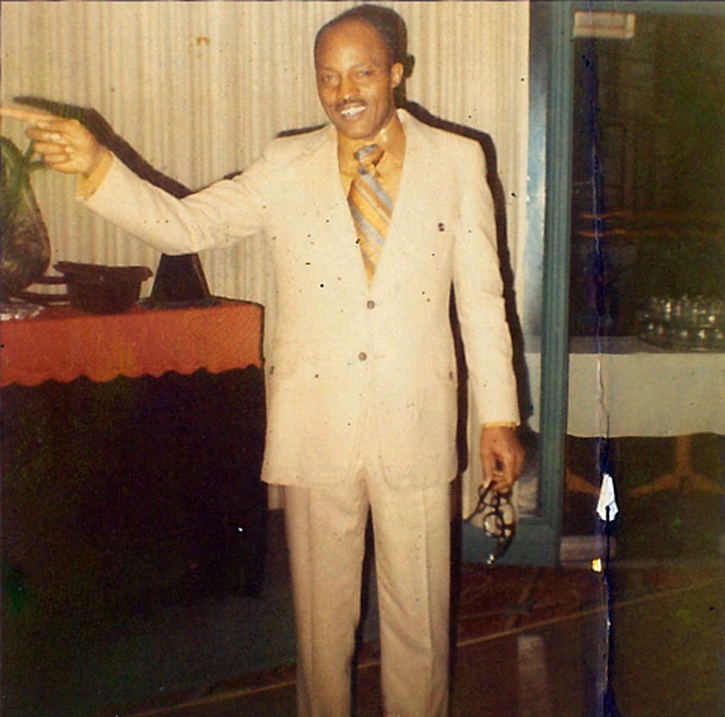
Mr. Clemon was elected to be the Vice President of the International Longshoremen’s Association, Local 1410 in 1967 and later became President until his retirement in 1978 and worked to negotiate with lawmakers to ensure compensation, pensions, and healthcare for longshoremen were equal to their white counterparts.
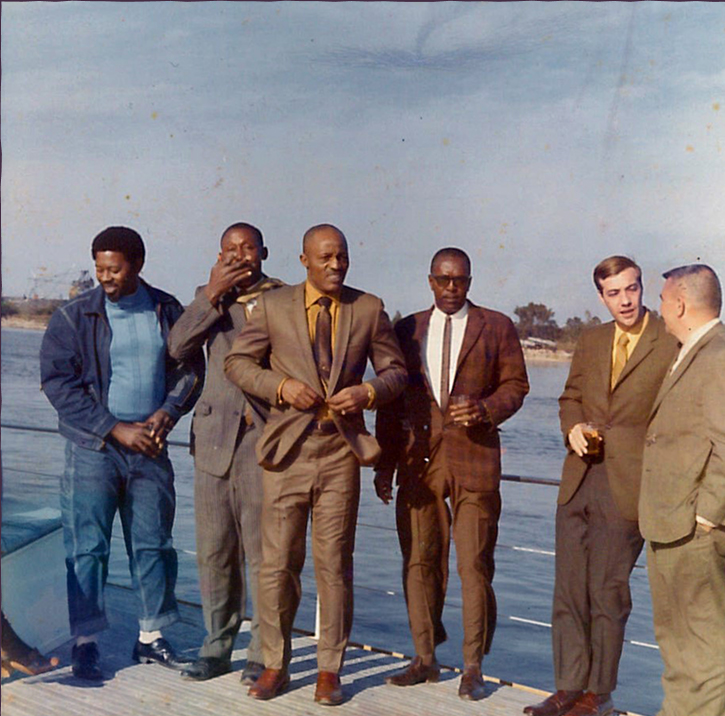
Mr. Clemon served on many committees for the Mobile County School Board, the board of the United Way, among many other charitable organizations that helped underserved people in the Mobile community.
Encouraged by John F. Kennedy’s commitment to Civil Rights, Black Alabama Voters were trying to find the best way to support the Democratic ticket of John F. Kennedy and Lyndon B. Johnson in the Presidential election of 1960.
An influential group of veteran Black Leaders, whose commitment and expertise were well known in organizing Civil Rights since the 1930’s, formed the Alabama Democratic Conference. The organization was committed to integrating the State Democratic Party, which until this time was openly racist and active in Black voter suppression.
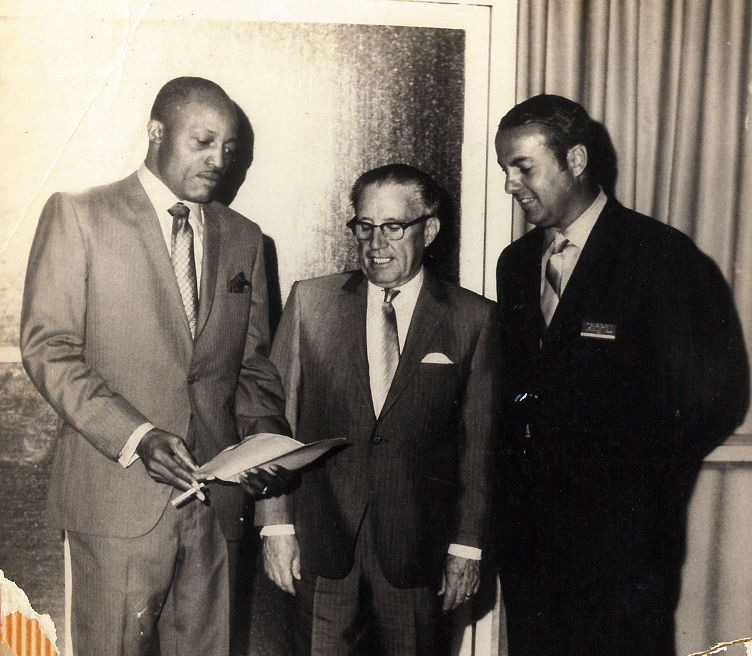
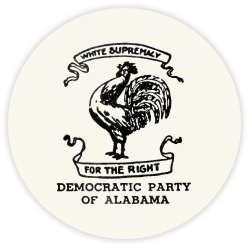
The official emblem of the party was a white crowing rooster with the slogan “White Supremacy for the Right”. Isom Clemon, President of ILA Local 1410 was among the founders.
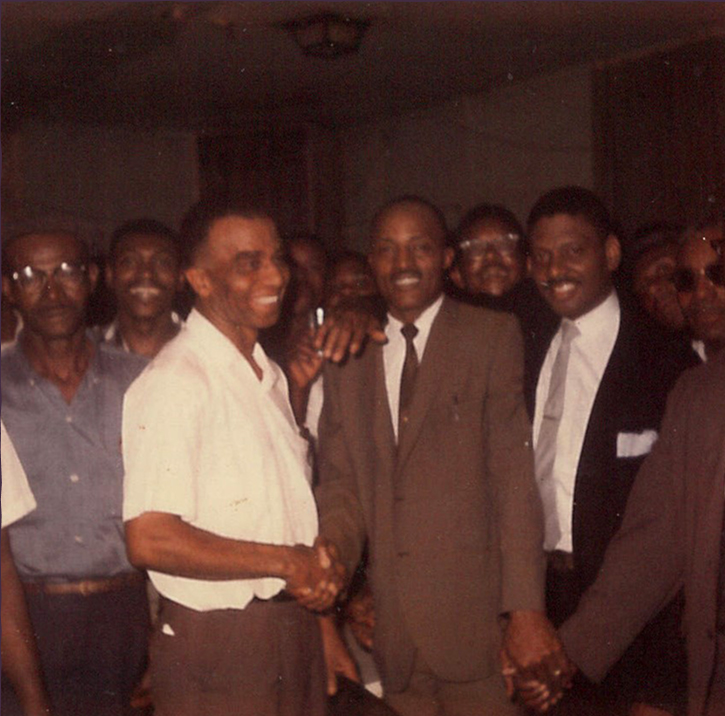
After the assassination of President Kennedy and the election of Governor George Wallace in 1963, many Alabama Black Voters were distrustful of the Alabama Democratic Party. However, Rufus Lewis, a veteran organizer from the Montgomery Bus Boycott of 1955 and Isom Clemon remained committed to working across racial lines with White Allies in the Alabama Democratic Party. They reasoned that forming a separate Black Democratic Party would dilute and split the Black Vote in Alabama, thus leaving the voice of Black Alabamians in continued silence on the State and National political stage.
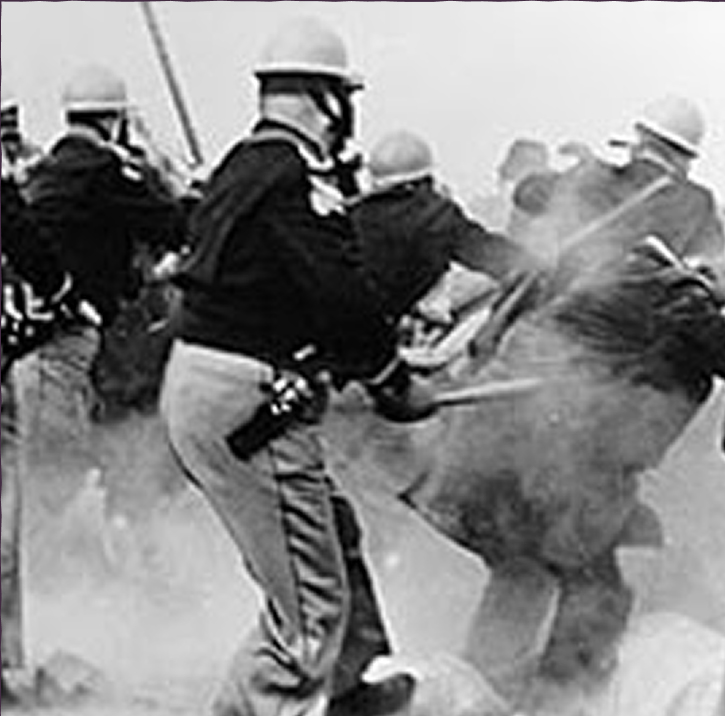
The Selma to Montgomery Voting Rights March of 1965 exposed the violent and deadly extremes to which White Supremacists would go to deny Black Americans the right to political representation. The images of White Law Enforcement Officers assaulting and trampling un-armed, non-violent American Citizens in the effort of peaceful protest for voting access were broadcast around the world. In the same year, President Lyndon Johnson signed the Voting Rights Act of 1965, guaranteeing free access to the ballot for all citizens.
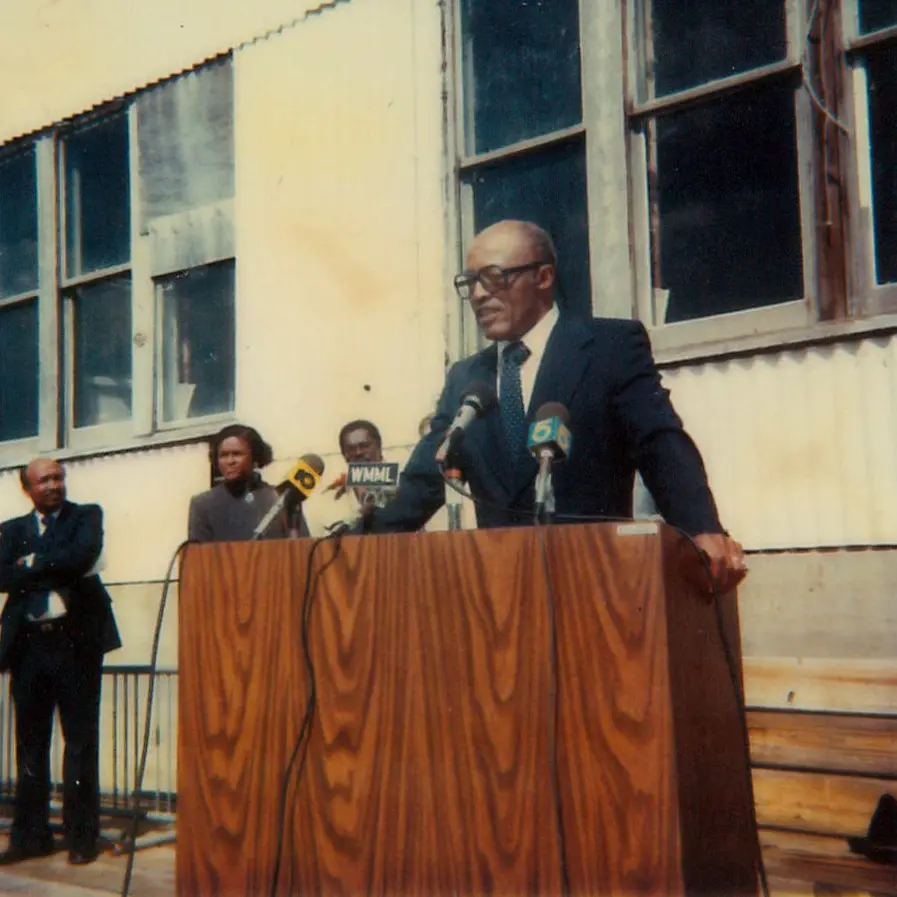
The Alabama Democratic Conference continued its work of posting workers across all nine of Alabama’s Congressional Districts to integrate Black Citizens into the National Democratic Party, confront racism at the local and county level, register new Black Voters and challenge voter suppression in the courts.
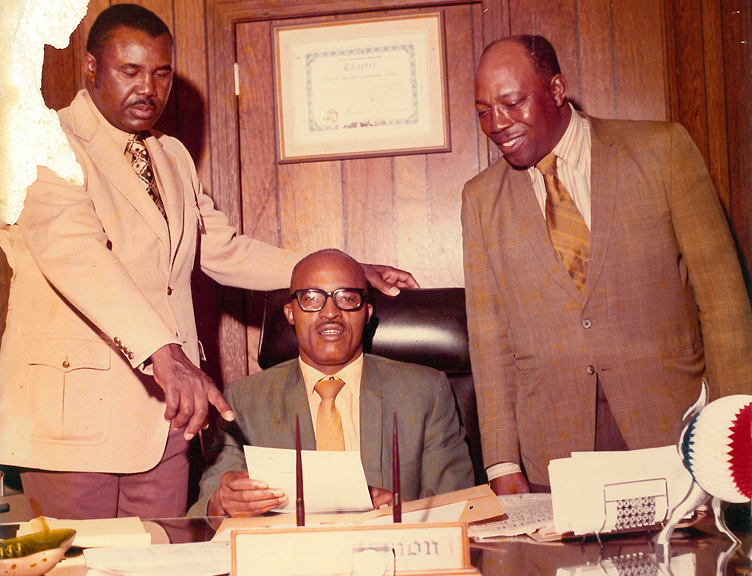
In 1968, due to simmering discord among the regular delegates over issues of race, Rufus Lewis and Isom Clemon were seated as the first Black Delegates from Alabama to the Democratic National Convention.