


Espousing pride and dignity under Jim Crow segregation, in itself, was a protest. It demonstrated dissent, an objection to laws and widely held beliefs that people of color were inferior.
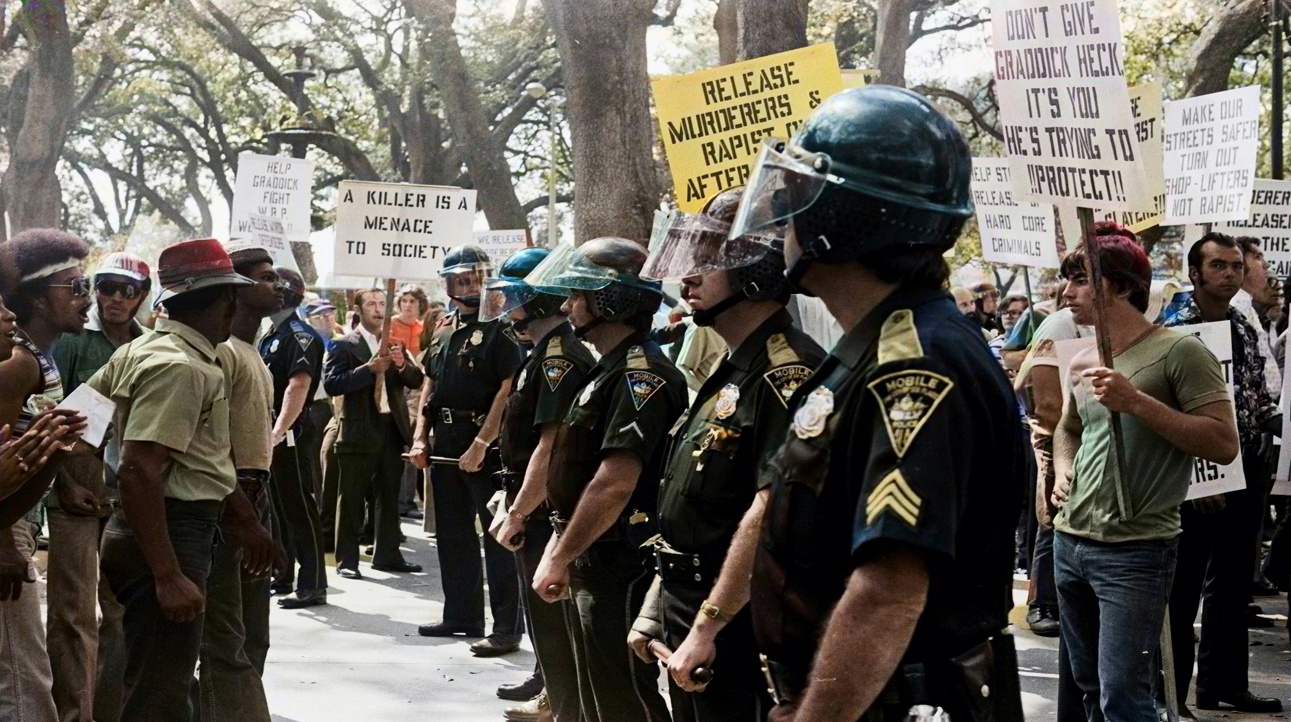
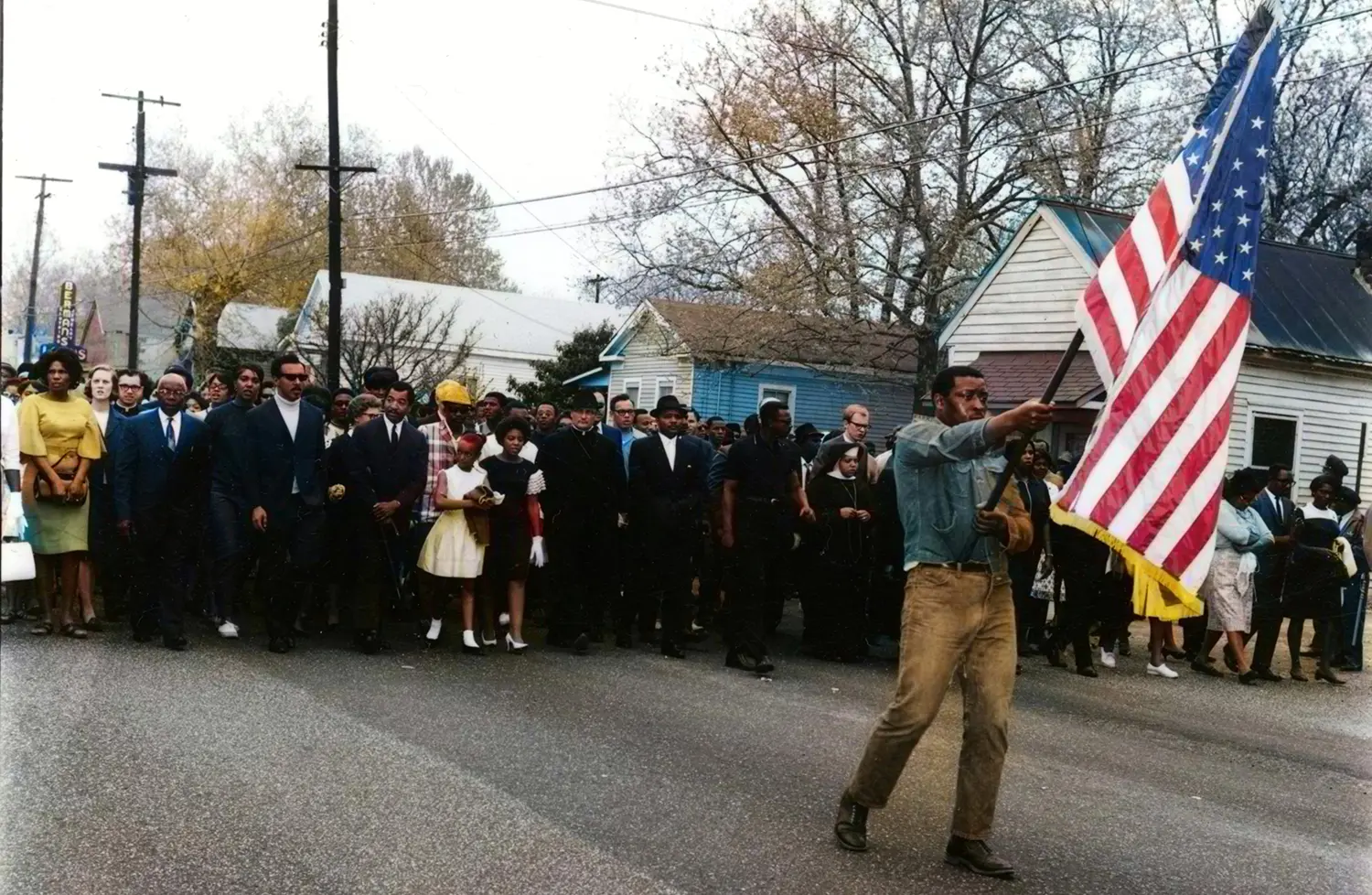
Black resistance to racism, oppression and dehumanization was individual and collective. It was also both overt and covert. Exhibiting self-respect and requesting, or in some cases demanding, equal treatment under the law was enough to warrant FBI surveillance. But still, they resisted.
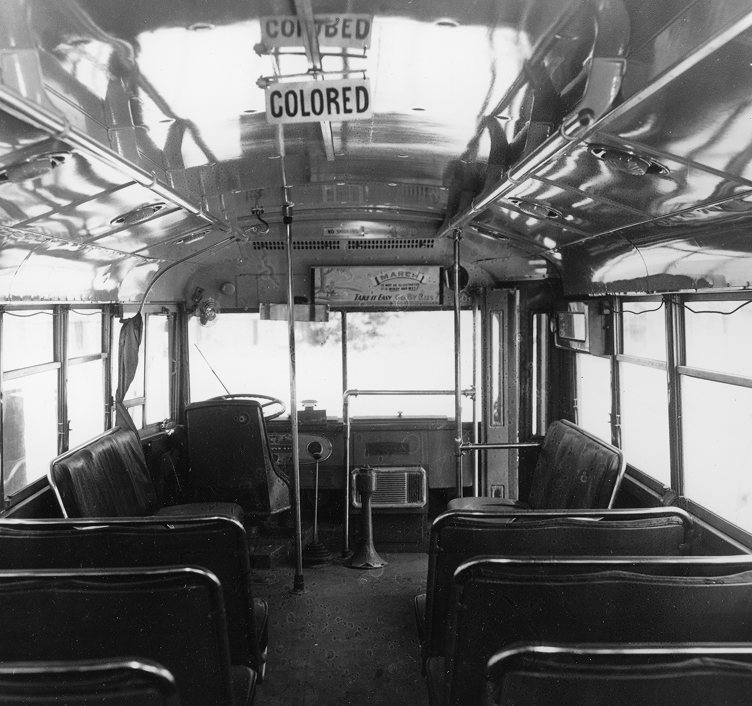
Mobile’s Civil Rights Movement is often told through a local lens that does not connect Mobile to the larger Civil Rights Movement that was happening in other parts of the South. Isolating Mobile lends support for the narrative that Mobile did not have or need a Civil Rights Movement because of such positive race relations within the city. Mobile was perceived and portrayed as “different” and “better” than Selma, Birmingham, and Montgomery which had well known publicized acts of protest, racial violence, and terror. The Mobile Civil Rights Movement was largely organized and operated from the Avenue. And because there was a need, efforts in Mobile were supported by nationally known activists of the time.
The 1963-65 Voting Rights Movement.
The 1963 Assassination of President John F. Kennedy.
The Civil Rights Act of 1964.
The 1968 Assassination of Martin Luther King, Jr.
In 1956, Alabama Governor James Elisha Folsom, Sr. was trying to force the NAACP to reveal their membership list so the state could coerce the organization to shut down in Alabama. The Non-Partisan Voters League (NPVL), led by John LeFlore, stepped up in place of the NAACP to become the primary activists for civil rights in Mobile. They believed in working in local government to make change peacefully and legally.
The NPVL’s purpose was “to make investigations and surveys related to social, political and economic questions, or other issues affecting the civil rights of or justice for all citizens.” It was the driving force behind major Civil Rights litigation in Mobile, including Bolden V. City of Mobile, which challenged the constitutionality of Mobile’s form of city government.
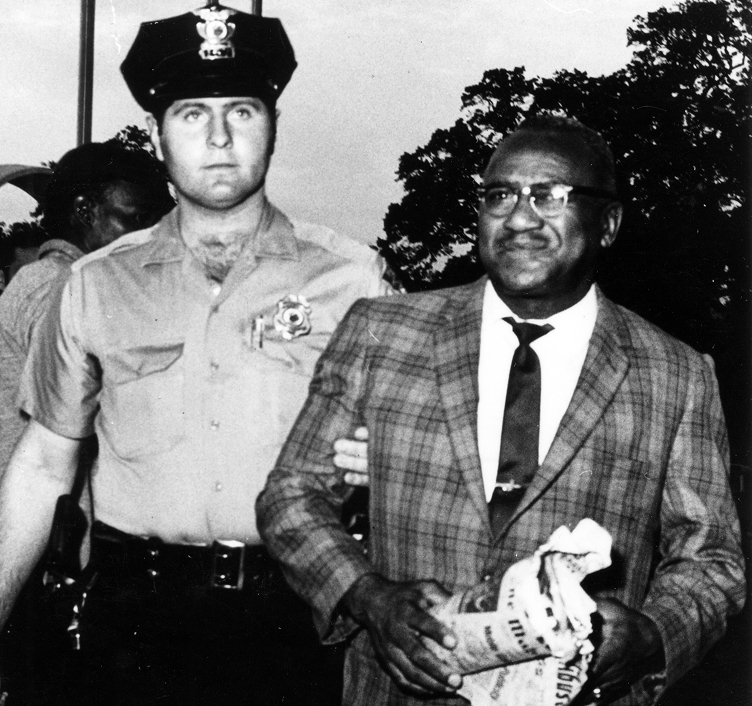
John L. LeFlore helped found the NAACP in Mobile and worked as executive secretary. When the NAACP went defunct, The NPVL took its place with LeFlore serving as director of casework.
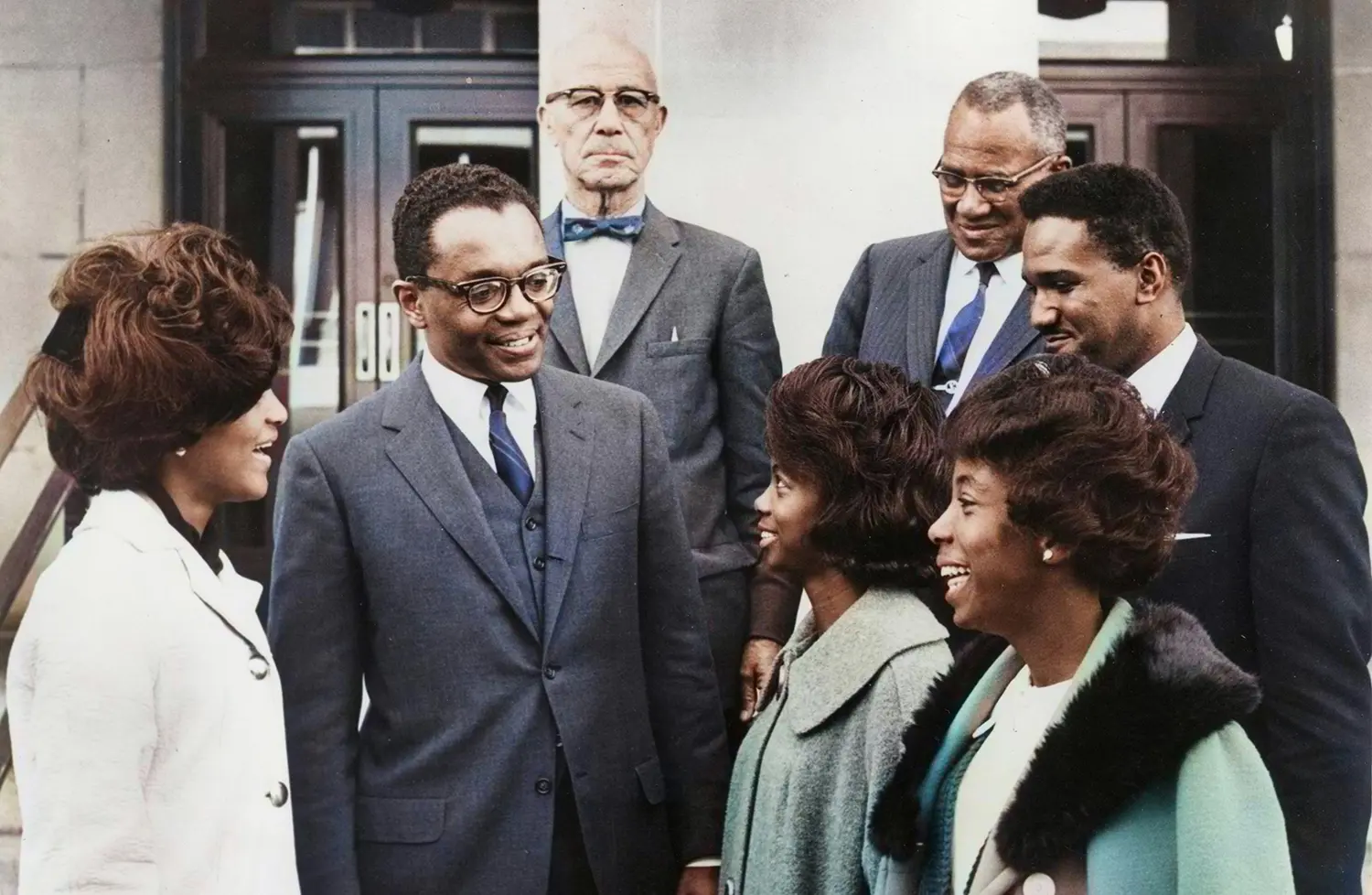
Birdie Mae Davis v. Mobile County School Board, 1964, ended segregation in schools in Mobile County.
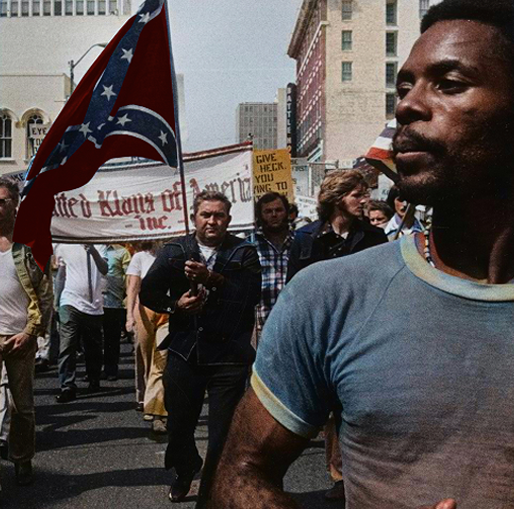
At the same time, the Neighborhood Organized Workers’ organization was also fighting for civil rights. They were typically more confrontational and “radical”. They wanted to demonstrate after Martin Luther King, Jr. was assassinated but were denied a permit because of the violence taking place in other parts of Alabama. They did it anyway. In response, Ku Klux Klan marched on Royal St. The powers that be felt so threatened by NOW, that their leaders were sent to jail and forced the group to cease gathering. As a result, there was no longer any one strong group fighting for civil rights in Mobile.