


The International Longshoremen Association (ILA), Local 1410 is Mobile’s chapter of the national laborer’s union and was a major player in the Civil Rights movement in Mobile.
The union has a tremendous ability to bring people together with a collective power to make change.
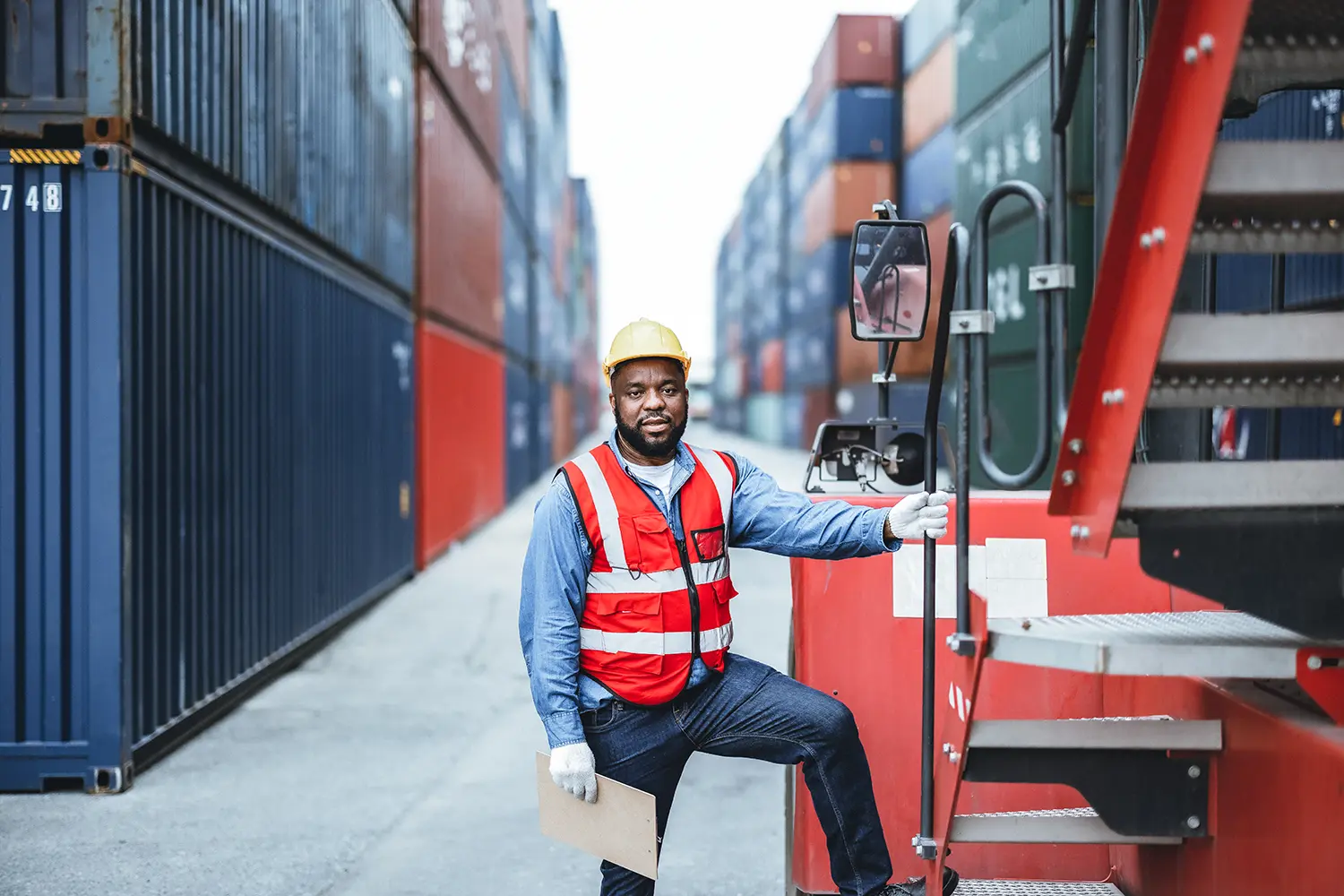
Mobile’s longshoremen (primarily African American at the time) were the source of trade from Alabama to other parts of the country, and the world. The International Longshoremen’s Association (ILA) was the lobbying power behind that workforce.
The union dues and their national economic impact gave them an extraordinary amount of power, including helping them finance a lot of the work that Isom Clemon was working on as President of the ILA from 1967-1978.

A longshoreman loads and unloads cargo onto ships from the docks at a port. This work takes a significant amount of skill and strength, as it is considered a very technical and dangerous job.
What you wear, the food on you eat, any of the imported essential items in your life are a direct result of the work of longshoremen. Longshoremen are critical to the international supply chain.
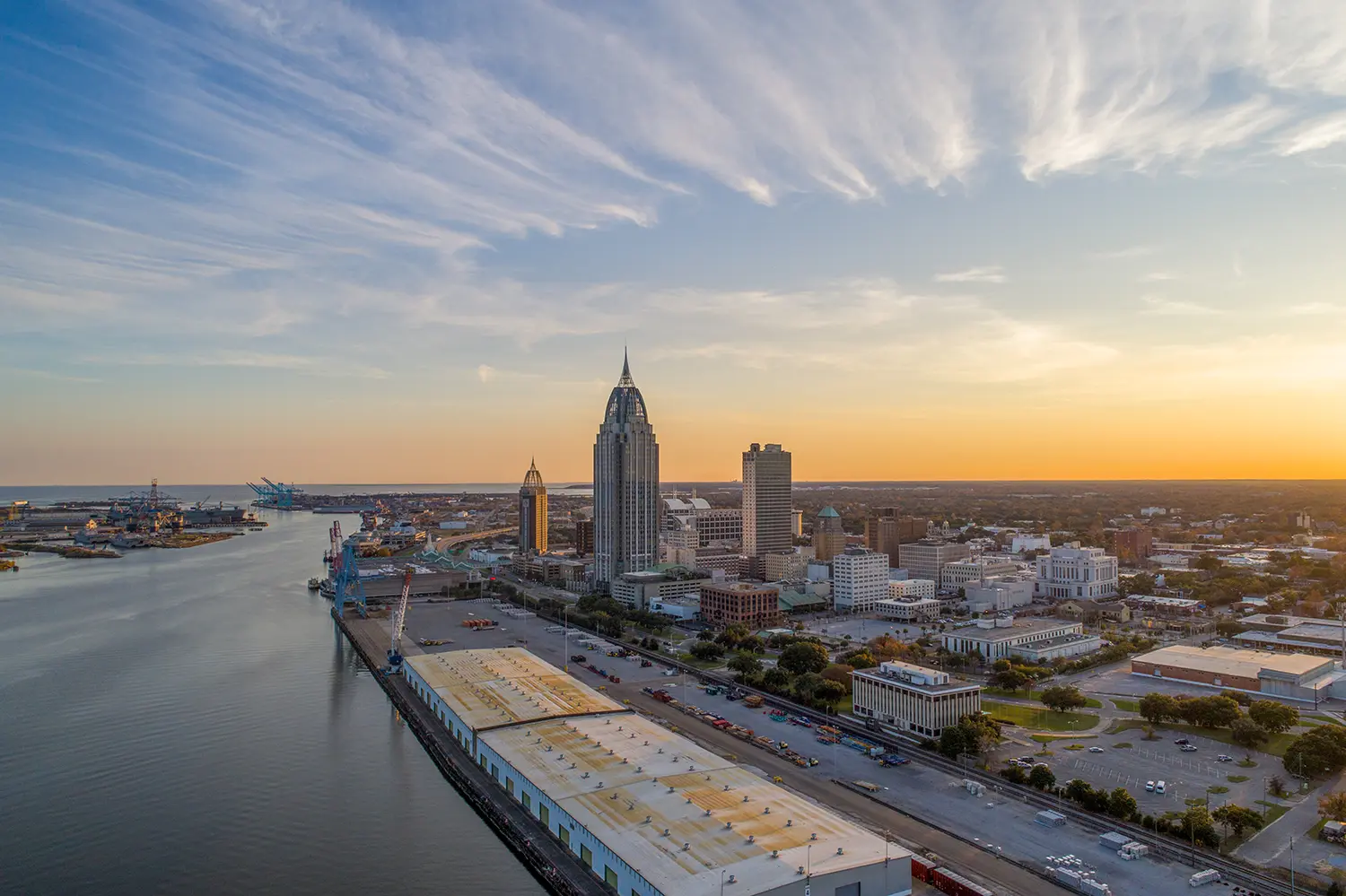
African Americans have worked on Mobile’s port docks from the very beginning, since there were docks in Mobile. Where Cooper Riverside Park currently lies in Mobile was where longshoremen were loading cotton onto the ships, the primary source of economic strength in the American South.
Mobile was called “The Cotton City,” and the people who picked the cotton and the people who moved it (longshoremen) were all African Americans. The longshoremen work with stevedores, who manage the cargo on the ships.
Historically, stevedores typically owned the ships, so in Mobile they have been predominantly white, while the longshoremen in history started as slaves and freed blacks.
Together, these roles reveal how African American labor formed the backbone of Mobile’s port economy while operating within a system of racial inequality. Longshoremen carried the physical burden of the city’s prosperity, even as control and ownership remained largely out of reach. Their work, often overlooked, laid the foundation for later labor organizing and civil rights efforts that sought fairness, dignity, and recognition for generations of dockworkers who helped build Mobile.